
 by
by 
The Australian property landscape is in a state of perpetual evolution, shaped by economic forces, demographic shifts, and changing societal preferences. While often characterised by its resilience, the market is not static; it presents a dynamic interplay of challenges and openings. For buyers, sellers, and investors, discerning the prevailing trends is crucial for identifying where genuine opportunities lie. This article explores the key movements defining the current marketplace and the prospects they unveil.
Prevailing Trends Shaping the Market
1. The Normalisation of Interest Rates & Its Impact
The era of record-low borrowing costs has ended. The Reserve Bank of Australia’s rate-tightening cycle has recalibrated borrowing capacity, cooling the feverish growth seen in 2020-21. This has led to a market recalibration, where careful due diligence, realistic pricing, and strategic negotiation have returned to the fore. For savvy participants, this environment can reduce frantic competition and create openings for well-considered purchases.
2. The Resilience of Regional & Peripheral Urban Markets
The remote work revolution has entrenched a lasting demographic shift. While capital cities remain powerful magnets, regional centres and peri-urban hubs within commuting distance of major metros continue to exhibit strong demand. Buyers and investors are prioritising lifestyle, space, and relative affordability, sustaining growth in areas offering a blend of amenity and connectivity.
3. The Insatiable Demand for Quality Rental Stock
A chronic undersupply of housing, coupled with strong population growth, has created an intensely competitive rental market nationwide. Vacancy rates remain near historic lows, driving robust rental growth. This trend presents a double-edged sword: significant pressure for tenants, but a compelling opportunity for investors with quality, well-located properties to secure reliable income streams and high-calibre tenants.
4. The Sustainability Imperative
Energy efficiency is rapidly transitioning from a ‘nice-to-have’ to a fundamental valuation factor. Properties with high NatHERS ratings, solar panels, and sustainable features are commanding premium interest. This trend is driven by both rising utility costs and a growing environmental consciousness, particularly among younger buyers and tenants.

Actionable Insights for Market Participants
- For Buyers: Patience and preparation are key. Use the stabilising market to conduct thorough research without FOMO (fear of missing out). Focus on properties with strong fundamentals—location, land component, and quality—rather than speculative gambles. Consider the long-term operating costs of a property, not just the purchase price.
- For Sellers: Realistic pricing is non-negotiable. Market sentiment is sensitive, and overpriced listings languish. Presentation and marketing that highlight a property’s unique advantages (e.g., energy efficiency, flexible floorplans) are essential to stand out.
- For Investors: The focus should shift from speculative, short-term gains to securing assets with intrinsic strength. Look for properties in areas with underlying demand drivers (jobs, infrastructure, population growth). The tax depreciation benefits of new builds remain a powerful tool for improving cash flow in a higher-interest-rate environment.

Emerging Opportunities to Watch
- The ‘Build-to-Rent’ Sector: While more nascent than in other countries, this institutional-grade rental model is gaining traction in Australia. It offers investors a new asset class focused on long-term, professionalised rental management and provides tenants with greater security and amenity.
- Strategic Off-the-Plan Purchases: In a normalising market, selecting the right off-the-plan project requires greater discernment. Opportunities exist in well-capitalised developments by reputable builders in growth corridors, where buyers can lock in a price today and benefit from completion in a potentially improved cycle.
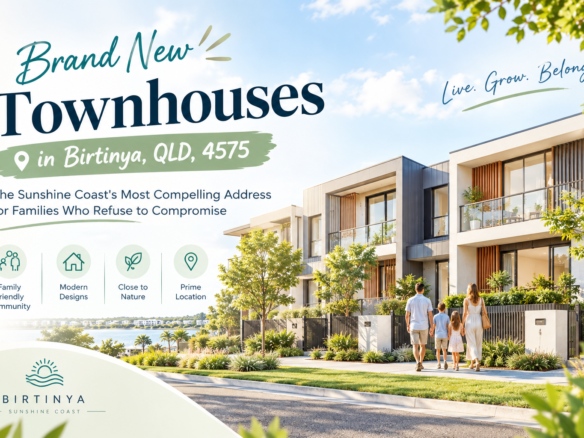
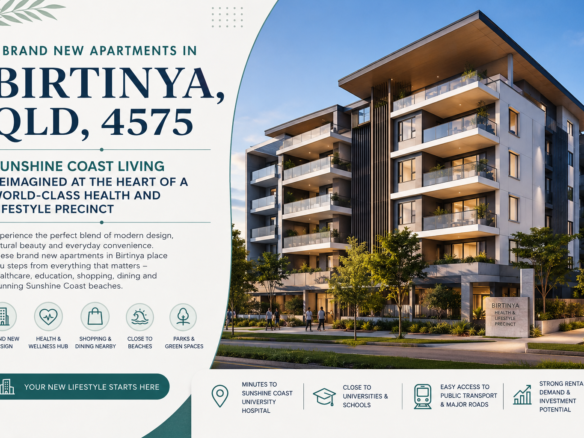
- Amenity-Rich Apartments & Townhouses: There is growing demand for higher-density living that doesn’t compromise on quality. Developments offering genuine community facilities, green space, pet-friendliness, and superior design in well-connected locations are finding a ready market of downsizers and professionals.
Australia’s real estate marketplace is maturing into a more nuanced and discerning environment. The “rising tide lifts all boats” phenomenon has eased, revealing the true value of strategic decision-making. Success will belong to those who base their moves on solid data, a clear understanding of cyclical trends, and a focus on fundamental, unchangeable assets like location and quality. By interpreting current trends not as obstacles but as filters, informed participants can uncover the most resilient and promising opportunities in the current landscape.
Buying property is a significant step, but it doesn’t have to be complicated. With the right preparation and support, you can navigate the Australian real estate marketplace with clarity and confidence.
Disclaimer
The content published on this blog is provided by New Squares for general information purposes only. Although every effort is made to ensure the accuracy, currency, and reliability of the information at the time of publication, New Squares makes no representations or warranties, express or implied, regarding the completeness, accuracy, suitability, or availability of any information contained herein. All content is subject to change without notice. Nothing in this blog constitutes financial, legal, investment, or professional advice. Readers must not rely solely on the information provided and should obtain independent professional advice before making any property, investment, or financial decisions. To the fullest extent permitted by law, New Squares, its directors, employees, agents, and contributors disclaim all liability for any loss, damage, or consequences arising from the use of, or reliance on, any information contained in this blog. New Squares does not accept responsibility for the content, accuracy, or availability of any external websites linked within this blog, and inclusion of such links does not imply endorsement. By accessing this blog, you acknowledge and agree to these terms.

Join The Discussion