
 by
by 
Your Guide to New & Off-the-Plan Developments
Australian Real Estate Marketplace
The Australian real estate market offers a compelling path for buyers and investors: new and off-the-plan properties. While buying an established home is a familiar process, purchasing a property that hasn’t been built yet is a different journey. This guide breaks down the essentials in simple terms.
What’s the Difference?
First, let’s clarify the key terms.
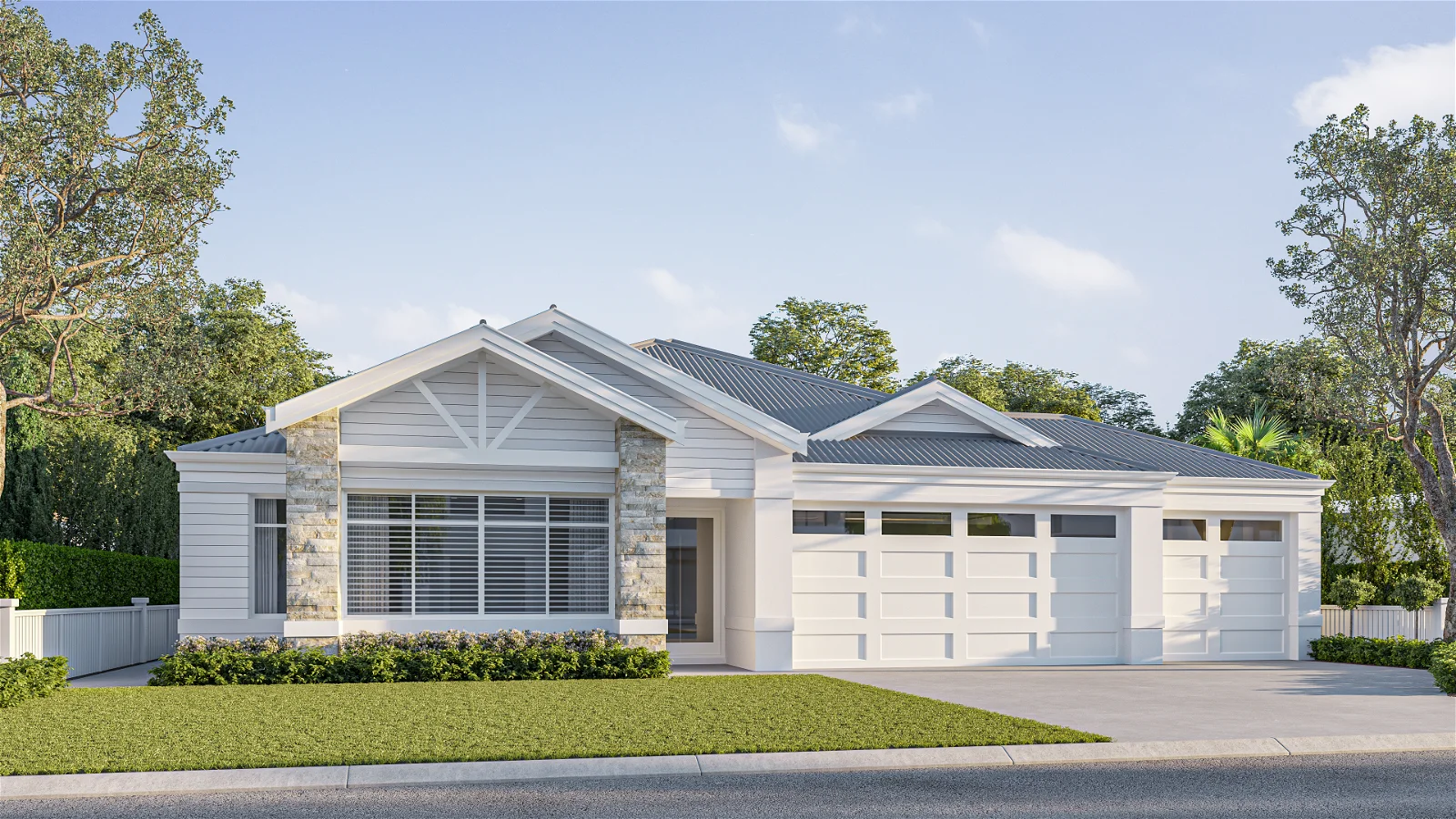
- A New Build is a recently constructed property, ready for you to move into. You can inspect it, see the finishes, and know exactly what you’re buying.
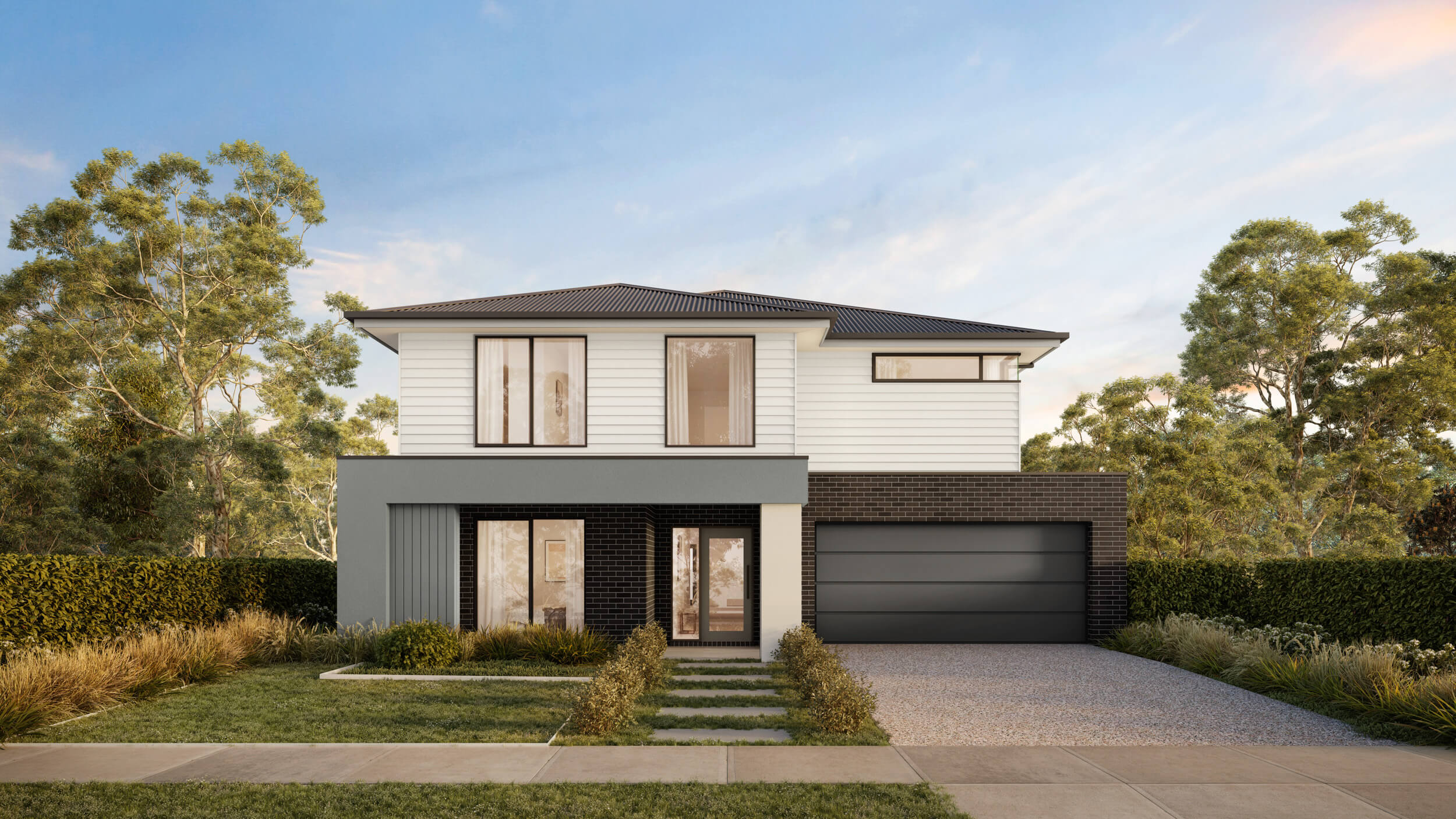
- An Off-the-Plan purchase means you buy the property based on architectural plans and designs before construction has even started. You commit to a future price today, with settlement due upon completion, often years later.
- An established property is an existing Property that has been previously owned and lived in. It’s a known entity—you can inspect it, assess its condition, and negotiate the price based on its current state.
The Alluring Benefits
Why do buyers choose this route?
- Financial Incentives: The biggest draw is often stamp duty savings. Most states offer significant concessions for new properties, putting thousands back in your pocket.
- Maximized Tax Benefits: For investors, brand-new properties offer substantial depreciation deductions on the building and fittings, boosting your cash flow.
- Modern & Low-Maintenance: Enjoy contemporary designs, energy efficiency, and the peace of mind that comes with a builder’s warranty, meaning minimal repair costs for years.
- Potential Equity: By purchasing at today’s price, you stand to gain if the market rises during construction, creating instant equity when you settle.
Understanding the Risks
It’s not without its challenges. Being aware is key.
- Construction Delays: Projects can run behind schedule due to weather, supply issues, or financing.
- Market Shift: If the market falls, you might settle on a property worth less than your contract price.
- Developer Risk: Always research the builder. A developer going bankrupt can leave your project in limbo.
Disclaimer
The content published on this blog is provided by New Squares for general information purposes only. Although every effort is made to ensure the accuracy, currency, and reliability of the information at the time of publication, New Squares makes no representations or warranties, express or implied, regarding the completeness, accuracy, suitability, or availability of any information contained herein. All content is subject to change without notice. Nothing in this blog constitutes financial, legal, investment, or professional advice. Readers must not rely solely on the information provided and should obtain independent professional advice before making any property, investment, or financial decisions. To the fullest extent permitted by law, New Squares, its directors, employees, agents, and contributors disclaim all liability for any loss, damage, or consequences arising from the use of, or reliance on, any information contained in this blog. New Squares does not accept responsibility for the content, accuracy, or availability of any external websites linked within this blog, and inclusion of such links does not imply endorsement. By accessing this blog, you acknowledge and agree to these terms.



Join The Discussion