
 by
by 
As we look toward 2026, the Australian property landscape is poised for a period of significant transformation. While the post-pandemic rebound has defined the early part of this decade, the year ahead will be shaped by a new set of dynamics: sustained demographic shifts, evolving buyer preferences, and a crucial focus on housing supply. For buyers, investors, and developers alike, understanding these trends is the key to navigating the market successfully.
The Migration Dividend Continues
Population growth remains the engine room of Australian property demand. Government projections indicate that net overseas migration will stabilise at historically high levels in 2026, following the surge of the previous two years. This isn’t just about numbers; it’s about where people choose to live.
The majority of skilled migrants and international students continue to gravitate towards our major urban centres. This sustained inflow will keep the rental market tight and underpin demand for well-located apartments in our capital cities. Projects like Verde – Art Precinct in Southbank or Australia 108 in Melbourne’s CBD, both featured by New Squares, represent the type of high-density, inner-city living that appeals directly to this demographic, offering proximity to employment, education, and lifestyle amenities.
The Evolution of Lifestyle and Regional Appeal
While cities remain strong, the appeal of lifestyle locations, turbocharged by hybrid work, is now a permanent feature of the market. In 2026, we will see continued strength in premium coastal and regional hubs that offer a genuine lifestyle advantage without sacrificing connectivity.
The Gold Coast, for instance, has matured into a major city in its own right. Developments like Victoria & Albert in Broadbeach and Vellea in Palm Beach cater to a dual market: sea-changers seeking a permanent move and investors looking for high-yielding holiday-let assets. Similarly, the continued growth of regions like the Sunshine Coast, with projects such as The Millwell in Maroochydore and Avoca Residences, underscores that the “work from anywhere” trend is here to stay, driving demand for quality apartments in precincts with strong local infrastructure.
Supply Constraints and the New Development Landscape
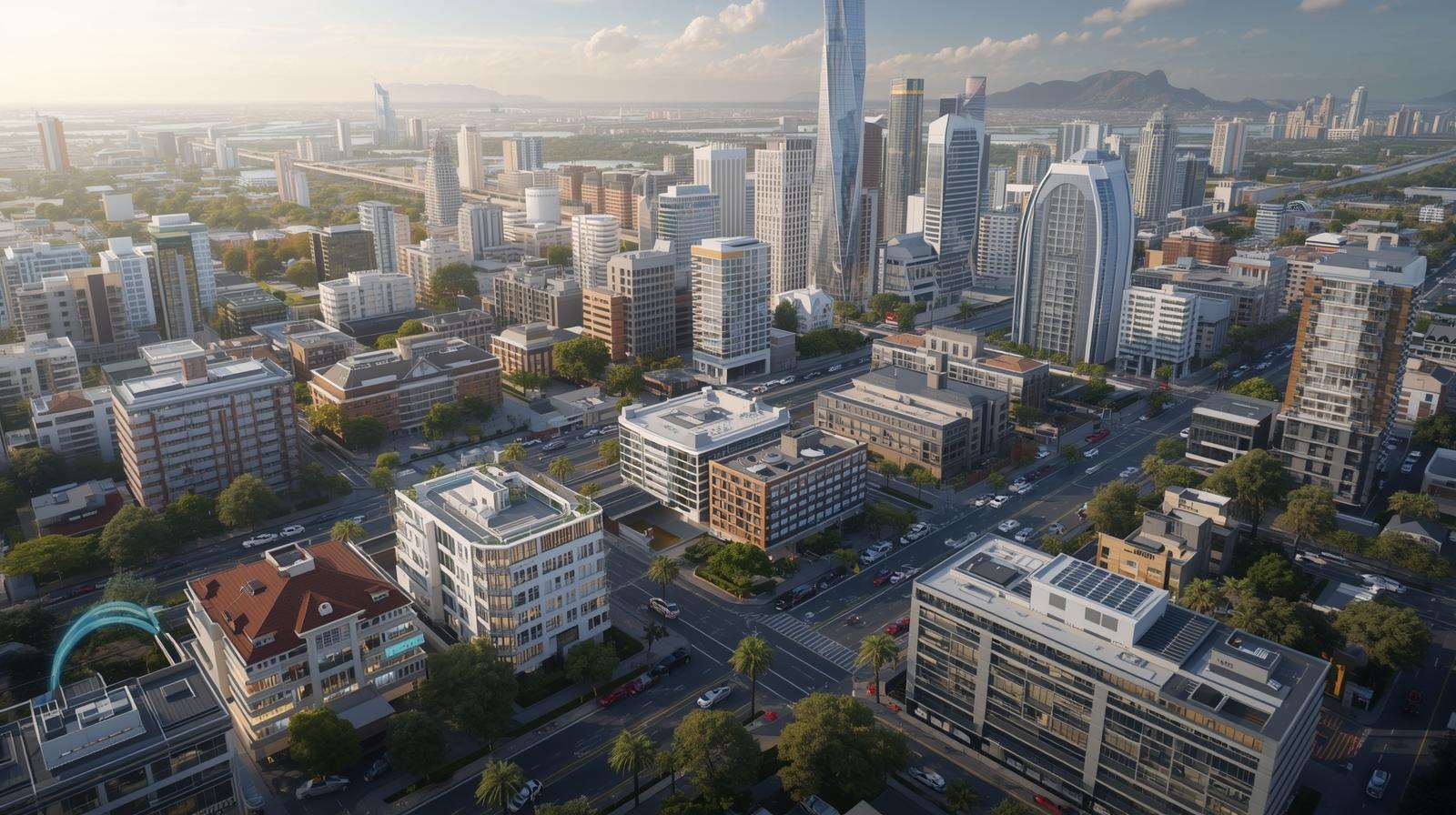
One of the defining challenges of 2026 will be the mismatch between demand and available housing stock. The construction sector continues to grapple with labour shortages and material costs, which constrains the delivery of new projects. This environment favours established, well-capitalised developers who can deliver quality, completed projects.
In this context, “off the plan” purchases from trusted developers become even more significant. For buyers, securing a property in a project that is already under construction or has a clear completion timeline, such as many of the developments listed by New Squares, mitigates the uncertainty that can plague less-established ventures. The focus will be on projects with genuine points of difference—superior design, prime locations, and amenity-rich environments.
Infrastructure as a Value Driver
In 2026, properties integrated with major infrastructure projects will outperform. The ripple effects of Melbourne’s Metro Tunnel, Sydney’s Metro network, and Brisbane’s Cross River Rail will become increasingly capitalised into property values. Suburbs that were once considered peripheral are being transformed into well-connected urban villages.
Look at projects like 88 Livie in Carlingford or Bayou in Wolli Creek in New South Wales, both positioned within growth corridors benefiting from transport upgrades. In Victoria, developments like Motif in Geelong tap into the rapid rail transformation, making regional cities viable alternatives to metropolitan fringe suburbs. Investing in these corridors offers a blend of immediate liveability and long-term capital growth.
A Focus on Quality and Amenity
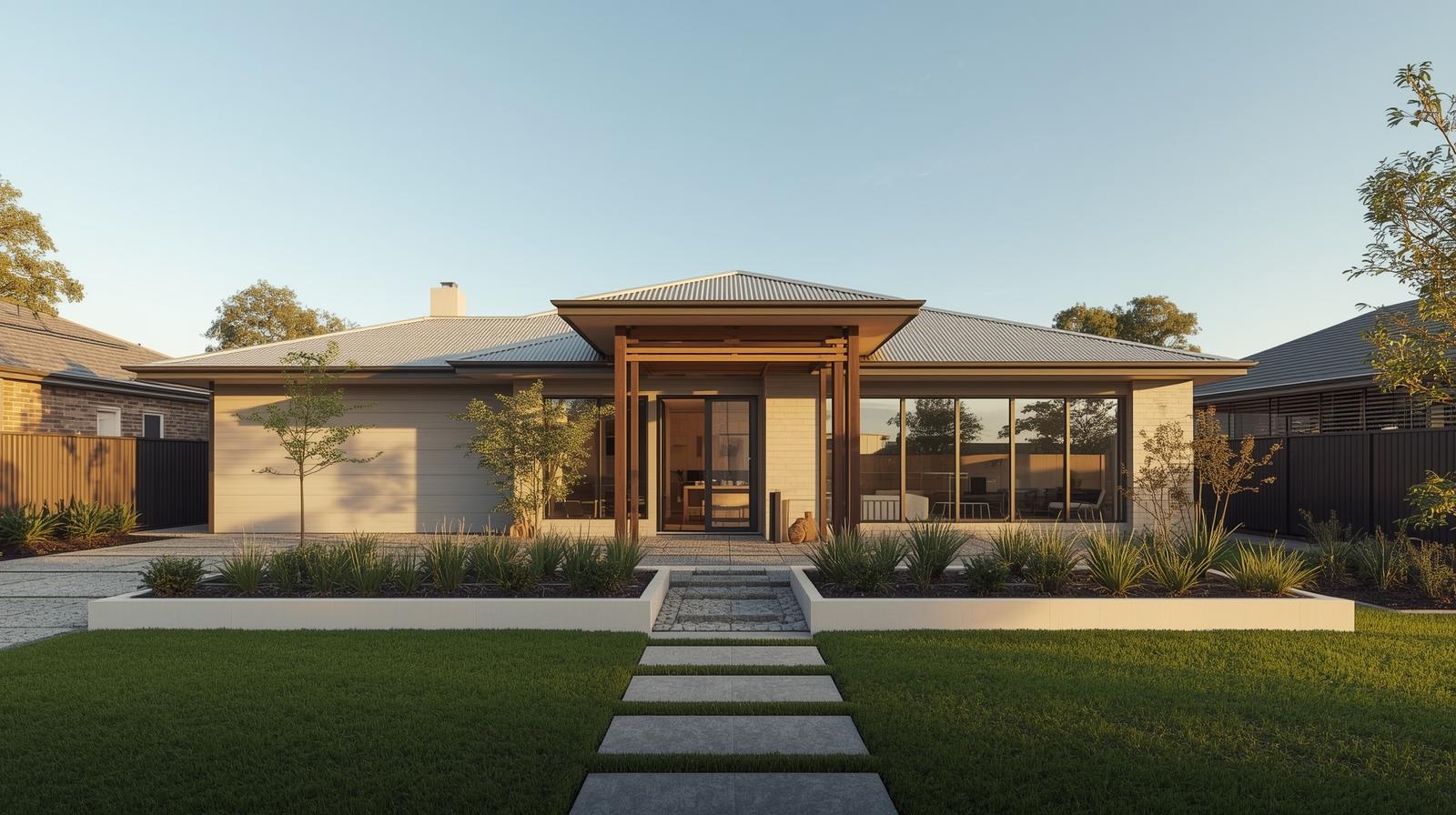
The modern buyer is discerning. The days of buying any apartment off the plan are over; today’s purchasers seek space, functionality, and genuine amenity. In 2026, properties that offer communal gardens, co-working spaces, gymnasiums, and sustainability features will command a premium.
Developments such as The Hills in Highgate Hill, Brisbane, or Domain House in South Melbourne are examples where design and lifestyle integration are paramount. Furthermore, the prestige market remains resilient, with high-end projects like Premium Tower in Melbourne and 488 Brighton demonstrating that there is sustained demand for truly exceptional, landmark residences.
Conclusion: A Market of Nuance and Opportunity
The Australian real estate marketplace in 2026 will not be a monolith. It will be a tapestry of micro-markets, each driven by its own local dynamics. The overarching themes, however, are clear: demand will remain robust, underpinned by demographics; supply will be constrained, favouring quality; and location, connectivity, and amenity will be the ultimate arbiters of value.
For those ready to participate, whether as a first-home buyer, an upsizer, or an investor, the key is to partner with experts who understand these nuances. With a portfolio spanning the eastern seaboard—from established city icons to emerging lifestyle hotspots—New Squares continues to connect buyers with the properties that define the future of Australian living.
Buying property is a significant step, but it doesn’t have to be complicated. With the right preparation and support, you can navigate the Australian real estate marketplace with clarity and confidence.
Disclaimer
The content published on this blog is provided by New Squares for general information purposes only. Although every effort is made to ensure the accuracy, currency, and reliability of the information at the time of publication, New Squares makes no representations or warranties, express or implied, regarding the completeness, accuracy, suitability, or availability of any information contained herein. All content is subject to change without notice. Nothing in this blog constitutes financial, legal, investment, or professional advice. Readers must not rely solely on the information provided and should obtain independent professional advice before making any property, investment, or financial decisions. To the fullest extent permitted by law, New Squares, its directors, employees, agents, and contributors disclaim all liability for any loss, damage, or consequences arising from the use of, or reliance on, any information contained in this blog. New Squares does not accept responsibility for the content, accuracy, or availability of any external websites linked within this blog, and inclusion of such links does not imply endorsement. By accessing this blog, you acknowledge and agree to these terms.
Join The Discussion