
 by
by 
The Australian real estate market, long defined by its resilience and “quarter-acre block” dream, is undergoing a profound transformation. Driven by technology, demographic shifts, and a growing environmental consciousness, the future of property is set to look very different from its past. For buyers, sellers, and investors, understanding these emerging trends is no longer optional—it’s essential for making smart, forward-thinking decisions.
So, what exactly does the future hold for Australia’s property marketplace? Let’s explore the key forces at play.
1. The Digital Revolution: Beyond Online Listings
The pandemic accelerated the adoption of digital tools, but this was just the beginning. The future is a fully integrated digital ecosystem.
- AI-Powered Valuations: Instead of relying solely on historical sales, artificial intelligence will analyse vast datasets—from local school ratings and future infrastructure projects to traffic patterns—to provide hyper-accurate, real-time property valuations.
- Virtual Reality Tours: 3D walkthroughs will become the standard first step. Potential buyers will be able to customise finishes in an off-the-plan apartment in real-time or take a fully immersive tour of a home from another country.
- Blockchain for Security: The convoluted process of conveyancing and title transfers will be streamlined through blockchain technology, creating a secure, transparent, and fraud-resistant ledger for property ownership.
2. The Rise of the Sustainable and “Smart” Home
Future buyers won’t just ask about the number of bedrooms; they’ll ask about the home’s carbon footprint and its Wi-Fi connectivity.
- Energy Efficiency as Standard: Properties with high NatHERS ratings, solar panels, battery storage, and water-saving systems will move from a “nice-to-have” to a non-negotiable. They offer lower living costs and align with the values of a climate-conscious generation.
- Fully Integrated Smart Homes: The future home will be a responsive partner. Expect integrated systems that manage energy consumption, security, lighting, and appliances seamlessly, all controlled from a smartphone. This isn’t just about convenience; it’s about efficiency and accessibility for an ageing population.
3. The Suburban Shift and the “15-Minute City”
The way we think about location is changing. The classic CBD-centric model is being challenged by the concept of the “15-minute city”—a neighbourhood where work, school, shopping, and leisure are all within a quarter-hour reach.
- The Rise of Satellite Hubs: Suburbs like Parramatta in Sydney or Box Hill in Melbourne are evolving into major employment and lifestyle centres in their own right. This decentralisation will fuel demand for well-connected suburban homes over long, costly commutes to a central business district.
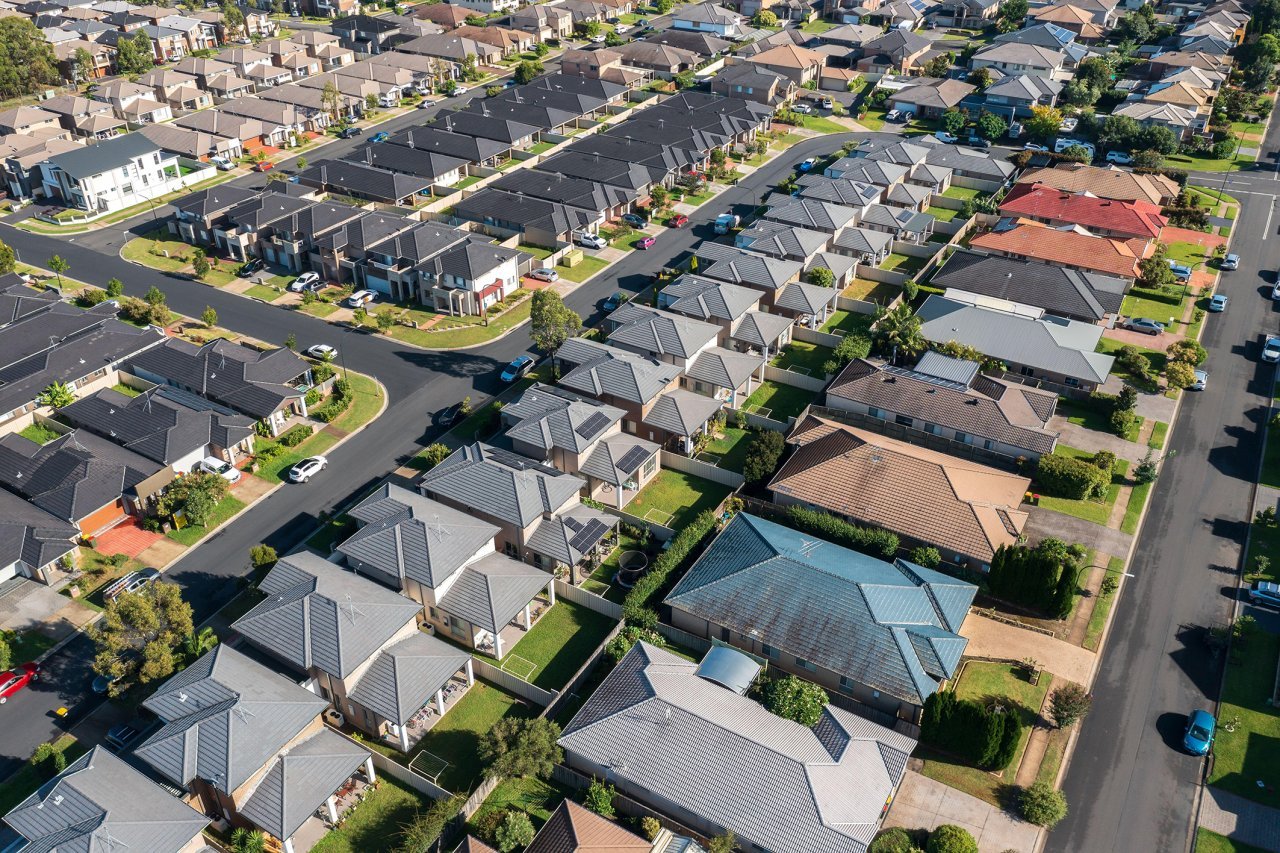
- Master-Planned Communities: New developments will increasingly focus on creating these self-contained ecosystems from the ground up, featuring parks, local shops, medical centres, and co-working spaces within the community.
4. The Evolving Investor Playbook
The strategy of “buying any property and watching it double in value” is fading. The future investor will need to be more specialised.
- Focus on Amenity and Lifestyle: Investors will succeed by providing the specific amenities tenants want, such as electric vehicle charging stations, high-speed fibre internet, and pet-friendly spaces with nearby parks.
- Data-Driven Decisions: Emotional purchases will be replaced by data-led strategies. Investors will use software to identify suburbs with high rental yield potential, population growth trends, and upcoming infrastructure booms.
The Bottom Line
The future of Australian real estate is intelligent, sustainable, and community-focused. Success will belong to those who adapt—whether you’re a first-home buyer prioritising energy bills, a downsizer seeking a connected community, or an investor leveraging data. By embracing these shifts, you can navigate the evolving marketplace with confidence and secure a property that is truly future-proof.
Disclaimer
The content published on this blog is provided by New Squares for general information purposes only. Although every effort is made to ensure the accuracy, currency, and reliability of the information at the time of publication, New Squares makes no representations or warranties, express or implied, regarding the completeness, accuracy, suitability, or availability of any information contained herein. All content is subject to change without notice. Nothing in this blog constitutes financial, legal, investment, or professional advice. Readers must not rely solely on the information provided and should obtain independent professional advice before making any property, investment, or financial decisions. To the fullest extent permitted by law, New Squares, its directors, employees, agents, and contributors disclaim all liability for any loss, damage, or consequences arising from the use of, or reliance on, any information contained in this blog. New Squares does not accept responsibility for the content, accuracy, or availability of any external websites linked within this blog, and inclusion of such links does not imply endorsement. By accessing this blog, you acknowledge and agree to these terms.

Join The Discussion